WMS warehouse management
In all internal logistics environments, a warehouse management system (WMS) plays a key role in improving accuracy, traceability and operational efficiency.
By combining fleet management, integration and networked services, we help to improve transparency, enhance traceability and streamline workflows across your entire operation.
Make your internal logistics even more efficient
WMS: Much more than just a stock-tracking tool
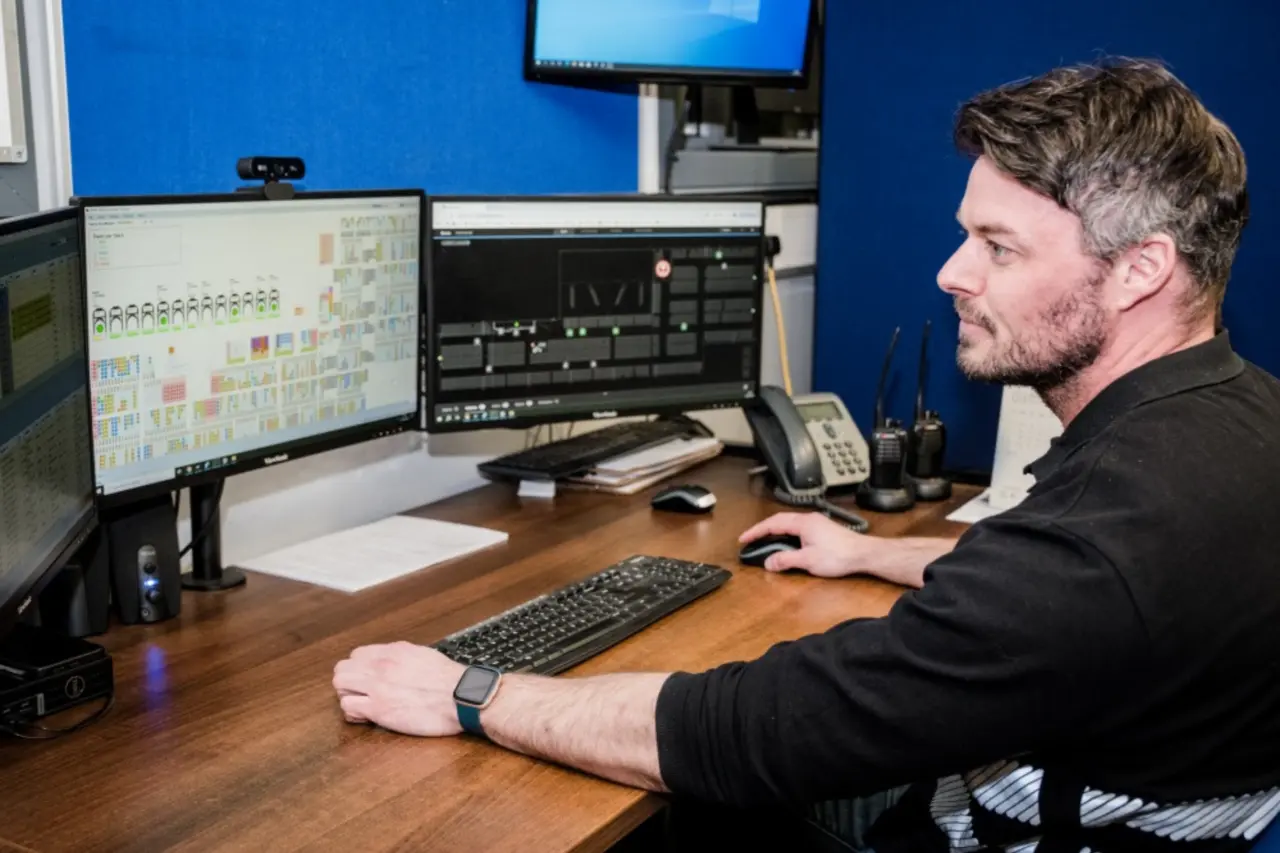
A WMS is the digital backbone of modern warehouse operations, providing the visibility, control and information needed to manage the warehouse, optimising workflows and coordinating the movement of goods within warehouse facilities.
By integrating warehouse data, warehouse processes, material handling equipment, automation and business systems, you can make better decisions, respond more quickly to changes and create more flexible operations.
Everything you need
Connectivity
By acting as the coordinating layer within a networked internal logistics ecosystem, it streamlines material flows, improves resource utilisation and enables data-driven decision-making.
However, technology alone is not enough. Real value is created by choosing a WMS system that meets your operational needs and integrates seamlessly into the wider internal logistics ecosystem. As a comprehensive provider of internal logistics solutions, we help you evaluate, implement and integrate the right software and material handling technologies to support both your current operations and future growth.
Integration
With Logisnext, we can integrate our software solution into the customer’s existing warehouse management system (WMS), ensuring that information and material flows work together seamlessly.
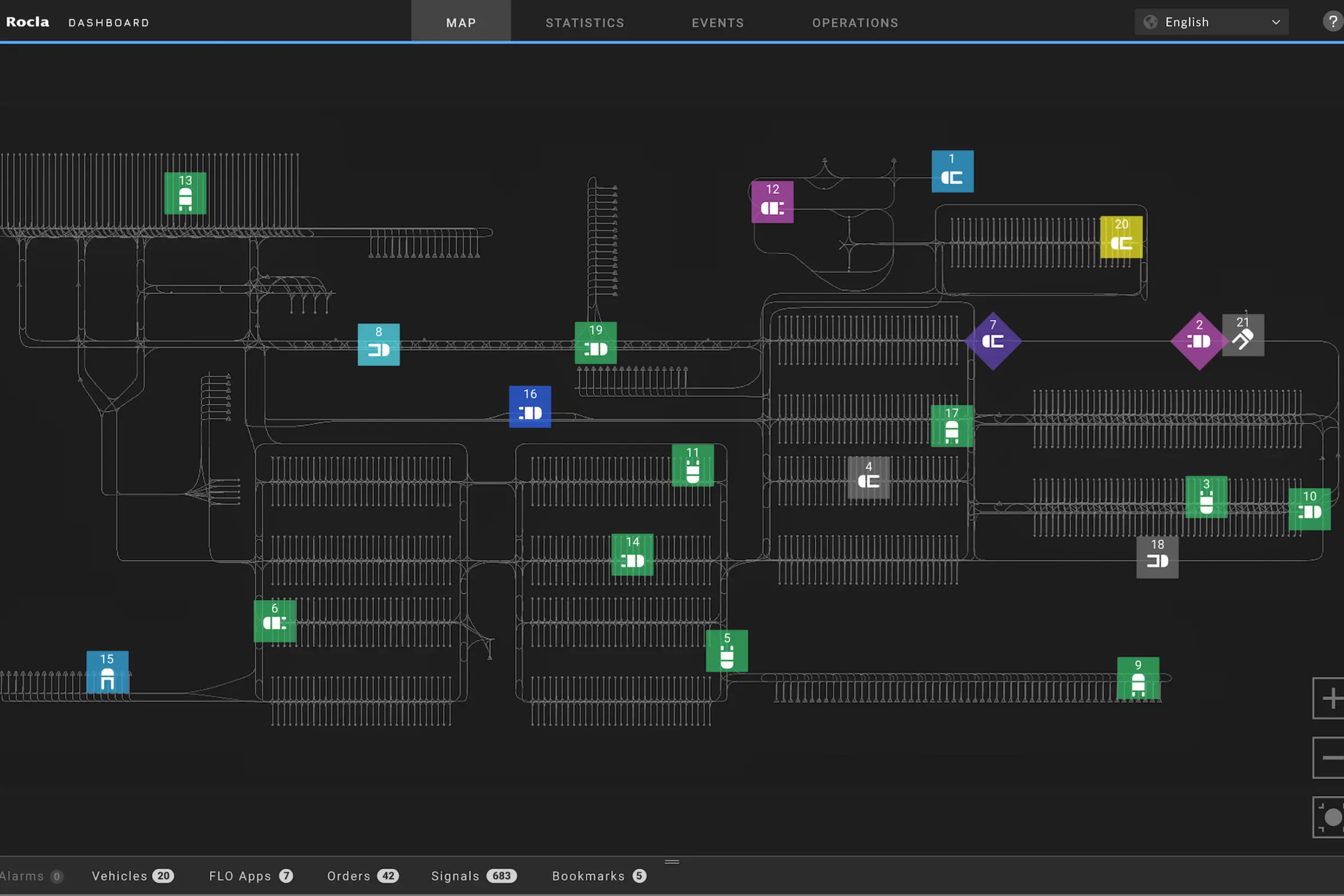
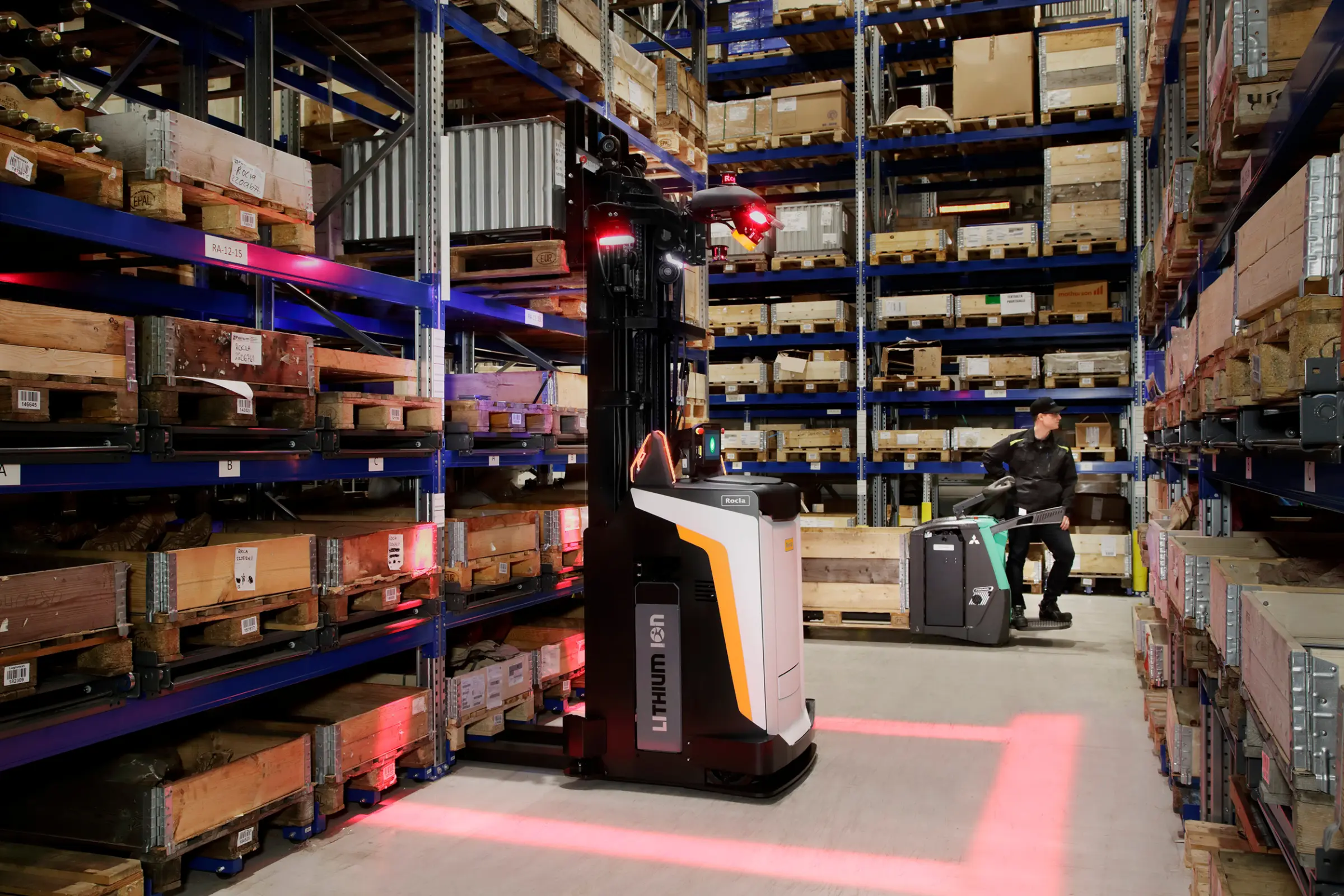
When integrated with the FleetController system, transport orders can be automatically forwarded to the vehicle fleet, ensuring that materials are transported efficiently and that every vehicle is in the right place at the right time.
The WMS system manages warehouses and stock levels, whilst FleetController handles the execution of deliveries and the coordination of vehicles. Together, they create an integrated, efficient and scalable operational system.